
Are you over-training your dog?
When we bring a new dog or puppy home - or when we’re working through a behavior problem - it’s easy to feel like we should be training all the time. After all, the more we practice, the faster our dog should learn…right? Not necessarily.
Training is important, but more training does not always equal better training. Dogs need time to process what they’ve learned, opportunities to decompress, plenty of sleep, and time when absolutely nothing is expected of them.
Training Is Mentally Tiring
We often think about tiring our dogs out physically, but mental work can be just as exhausting. Asking your dog to focus, control impulses, ignore distractions, learn new behaviors, or work around something that makes them nervous requires a tremendous amount of brain power.
This is especially true for puppies, adolescent dogs, anxious dogs, and reactive dogs.
A dog who has been working hard may begin to lose focus, become frustrated, get mouthy, start barking, wander away, sniff excessively, scratch, zoom around, or suddenly seem to have "forgotten" something they knew five minutes ago.
That doesn't necessarily mean your dog is being stubborn. Sometimes it simply means their brain is done for the moment.
Keep Training Sessions Short
You don't need to set aside 30 or 60 minutes for a formal training session. In fact, for many dogs, a few minutes of focused training is much more productive.
Practice a handful of repetitions and then move on with your day. You can always come back to it later.
Three or four short training opportunities scattered throughout the day can accomplish far more than one long session where both you and your dog become frustrated.
And remember that training doesn't always have to look like "training."
Ask your dog to wait before going through the door. Practice a recall when they're in the backyard. Reward them for settling while you're making dinner. Practice loose-leash walking for a few minutes during your regular walk. Those little moments add up.
Reactive and Anxious Dogs Need Recovery Time
This is particularly important for dogs who struggle with reactivity or anxiety.
If your dog has just had a difficult walk, encountered several dogs, gone to a busy store, attended a training class, had visitors over, or experienced something else that was challenging, they may need time to decompress afterward.
Taking that dog out again because you want to "practice more" isn't always helpful.
Stress can accumulate. When dogs experience several exciting, scary, frustrating, or stressful events without enough recovery time between them, we can see trigger stacking. Eventually, something relatively small may cause a much bigger reaction than we would normally expect.
Sometimes the best training decision you can make is to stop training and let your dog recover.
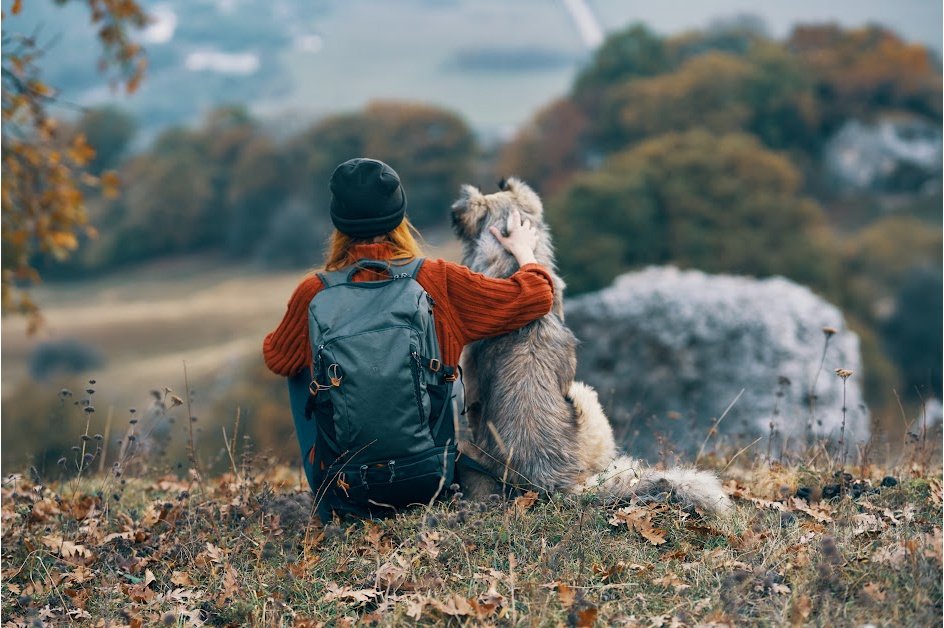
It’s important to just let your dog relax sometimes.
Sleep Matters More Than We Realize
Dogs need a lot of sleep. Puppies and adolescent dogs often need considerably more than their owners realize, and even adult dogs spend a large portion of the day sleeping or resting.
Sleep isn't wasted time.
Rest allows the nervous system to settle and gives the brain an opportunity to process and consolidate what the dog has learned. A chronically overtired dog may actually have a harder time controlling impulses, regulating emotions, and learning new behaviors.
If your dog seems increasingly wild, mouthy, reactive, frustrated, or unable to focus as the day goes on, the answer may not be another walk or another training session.
They may need a nap. (see: Does your dog really need 18 hours of sleep)
Your Dog Doesn't Need to Be Entertained All Day
One of the most valuable skills we can teach our dogs is how to do nothing.
Dogs don't need constant enrichment, training, walks, puzzles, play sessions, field trips, and entertainment from the moment they wake up until they go to bed.
In fact, constantly keeping a dog busy can unintentionally create a dog who has no idea how to settle when nothing is happening.
Give your dog opportunities to lie in the sunshine, chew something quietly, watch the world go by, sniff around the yard, nap in another room, or simply hang out with you without being asked to perform. Being bored occasionally is okay. Learning how to relax is a skill, too.
Quality Over Quantity
Good dog training isn't about seeing how many minutes of training you can squeeze into every day. It's about recognizing when your dog is in a good mental state to learn and knowing when you've done enough.
Train for a few minutes.
Take a walk and let your dog sniff.
Play together.
Let them nap.
Give them some independence.
And sometimes, just let your dog be a dog.
You may find that when you ask for less, your dog is actually able to give you more.