
Is It Hormones… or Just Adolescence?
Helping Your Puppy Through the “Teenage” Phase
If you’re living with a puppy who suddenly feels a little extra - more pushy, less patient, more opinionated - you’re not alone. This stage can be confusing, especially when you’re wondering whether behavior changes are hormonal… or just adolescence showing up loud and clear.
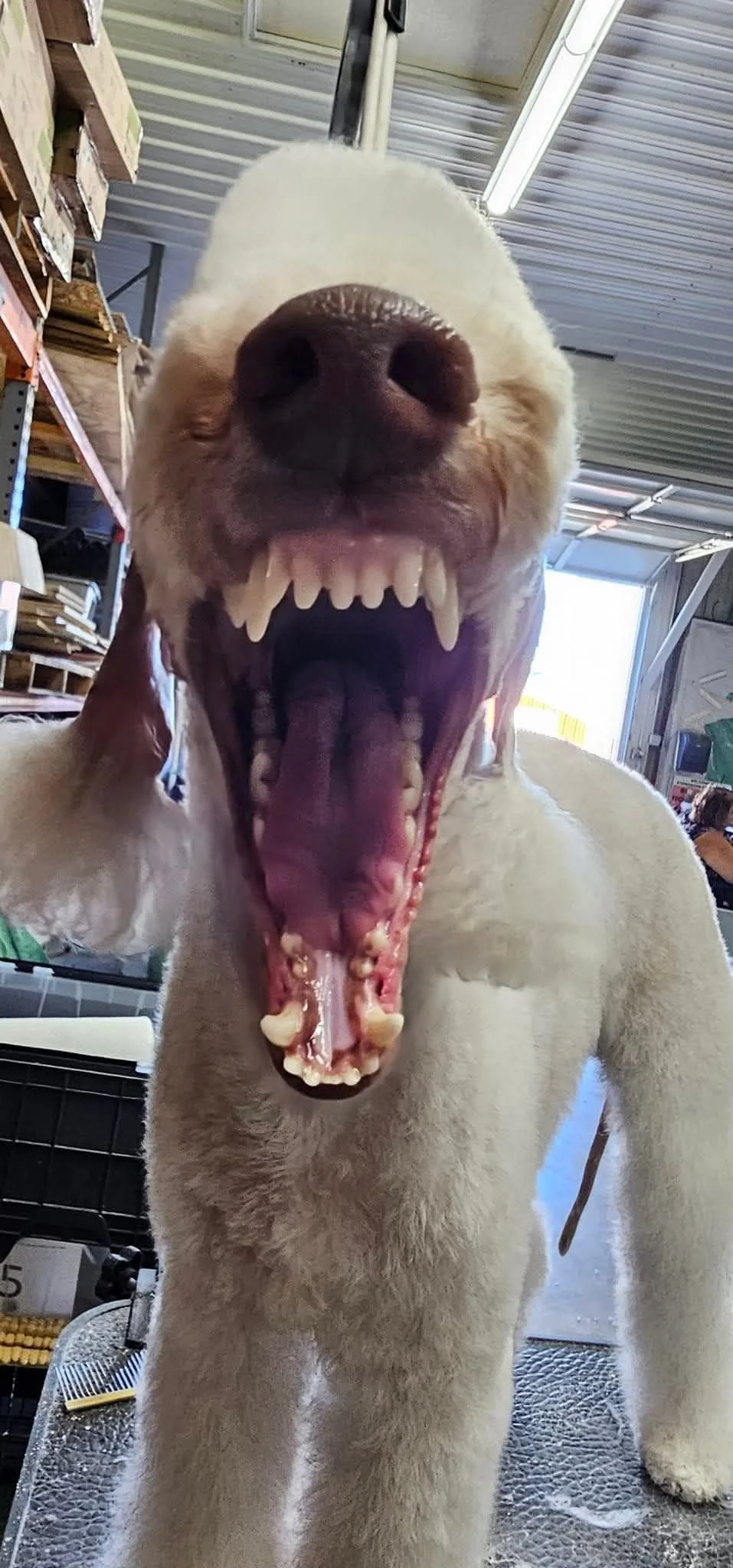
Communication isn’t bad - it just needs boundaries
The short answer?
Most of the time, it’s adolescence.
Hormones vs. Teenage Brain
It can be tempting to assume a female puppy is heading into season when her behavior shifts, but there are usually some very clear signs. When one of my girls goes into season, there’s a predictable pattern: a grumpy phase beforehand, followed by a very affectionate phase when she’s actually ready to be bred. You’ll also typically see noticeable physical changes, like swelling in the rear.
If those physical signs aren’t present, chances are you’re dealing with something much more common - puppy adolescence.
This is the phase where puppies start testing boundaries, coping poorly with frustration, and experimenting with independence. Even dogs who were previously “easy” can suddenly act like they forgot everything they know.
Why Structure Matters More Than Ever
During adolescence, freedom feels great to puppies… but too much of it often backfires.
One of the most helpful changes you can make is reducing freedom rather than adding more. That doesn’t mean being harsh - it means being clear.
For example:
Crating your dog intentionally and randomly, not just when you leave the house or at bedtime
Using the crate as a place to decompress and practice settling, not as a punishment
This helps build frustration tolerance, which is one of the biggest skills adolescent dogs are missing.
Clear Rules Prevent Big Problems
Puppies thrive on clarity. When the rules are fuzzy, they tend to assume they can make their own - and those rules usually don’t favor the humans.
During adolescence, I strongly recommend pulling back on “luxuries,” such as:
Furniture access
Coming out of the crate or going out doors without waiting
Free-feeding during the day
Constant petting without the dog having to ask politely
When puppies are allowed unlimited access to everything, it’s easy for them to decide they don’t really need to listen - they already get what they want. Clear expectations help reset that picture and remind them that good things come through the humans.
Helpful Focus Areas During Adolescence
Instead of trying to “fix” behaviors, think about building skills. Some of the most effective tools during this stage include:
Clear rules and predictable routines
Short, structured training sessions
Mental work, like scent games or simple problem-solving
Impulse control exercises, such as waits, mat/place work, and settling
Enrichment with rules (Kongs, lick mats, or chew time given in the crate or on a mat)
Calm, boring responses when your dog is over-aroused - and rewarding calm, thoughtful choices when you see them
The Good News
This phase does pass.
What matters most is how it’s handled. Adolescence isn’t a problem - it’s a training opportunity. The structure, clarity, and boundaries you put in place now shape the adult dog you’ll be living with for years to come.
If things feel a little off right now, that doesn’t mean you’re failing. It just means your puppy is growing up - and needs your guidance more than ever.
If you’d like help creating a plan for your adolescent dog, I’m always happy to help.